What is a Non RTO Scooter? Meaning and its benefits
Electric Scooters
21 April 2026

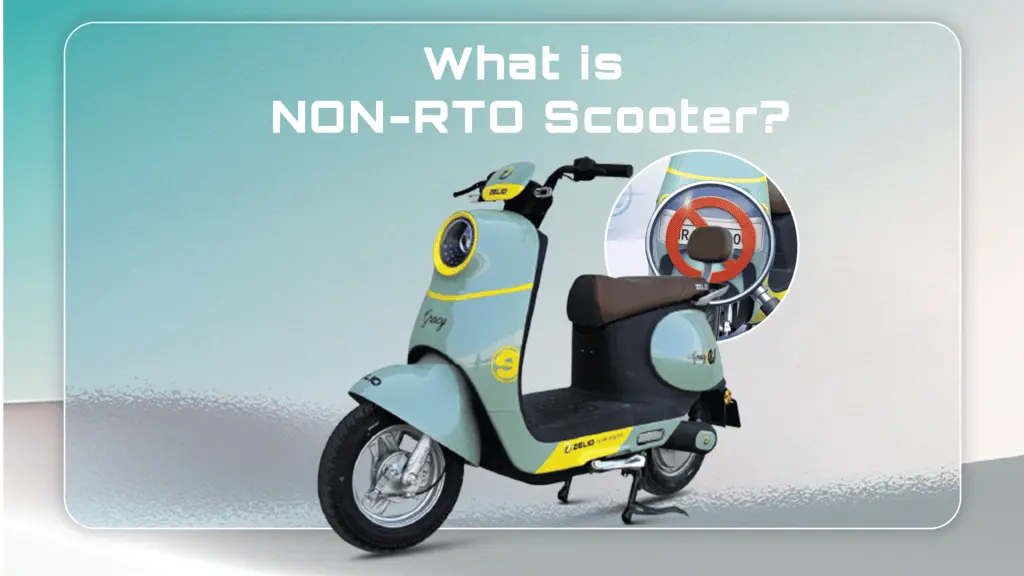
What is a Non RTO Scooter? Meaning and its benefits

non RTO scooter is an electric scooter that you can ride without registration (RTO paperwork) and driving license is not required.
That’s the reason this category is growing fast in India. It keeps things simple.
Zelio E Bikes lead this segment and is India’s favorite non-RTO electric scooter brand with 2 lakh+ happy riders.

What Does Non RTO Mean?

Non RTO means the scooter does not require registration with the RTO (Regional Transport Office).

Under India’s Central Motor Vehicles Rules, an electric two-wheeler is exempt from RTO registration if it meets both conditions:

  • Motor power: 250W or less
  • Top speed: 25 km/h or less

Scooters within these limits are classified as non-motorised vehicles. No RC, no number plate, no driving licence, no road tax.

What is an Non RTO Scooter?

A non RTO scooter is a low-speed electric scooter built for short, everyday city travel. It is not designed for highways or long distances. It is designed for everyday use like college, office, local travel, and short city rides.
Zelio have built a strong presence in this segment, offering a wide range of options.
Zelio currently has 18 different non RTO electric scooter models, catering to different use cases, from students and daily commuters to delivery riders.

RTO vs Non RTO Electric Scooters: What is the Difference?
 

Non RTO Scooter


RTO Scooter


Top Speed

Up to 25 km/h

45 km/h and above

Registration

Not required

Mandatory

Driving Licence

Not required

Mandatory

Insurance

Optional

Mandatory

Road Tax

Exempt

Applicable

Minimum Age

16 years

18 years

Best For

City, colony, campus

Main roads, highways

Benefits of Non RTO Electric Scooters

No licence needed – Anyone aged 16 and above can ride non RTO scooters. Students, senior citizens, homemakers – no licence process, no waiting.

No insurance required – Not mandatory by law. Saves roughly Rs 1,500 to Rs 3,000 every year. Voluntary insurance is still a good idea.

Running cost is significantly lower


Cost per km

Electric scooter

Rs 0.20 to Rs 0.30   

Petrol scooter

Rs 2 to Rs 3

For someone riding 1,000 km a month:

  • Electric: Rs 200 to Rs 300
  • Petrol: Rs 2,000 to Rs 3,000

That is a saving of around Rs 1,700 to Rs 2,700 every single month.

No registration or road tax Walk out of the showroom and ride home the same day. No waiting for an RC book or number plate.

Safer for city riding The 25 km/h cap is a genuine safety feature for navigating colony roads, school zones, and congested city traffic.

Limitations Worth Knowing

  • Speed capped at 25 km/h – not suitable for highways or arterial roads with fast-moving traffic.
  • Range on lead-acid variants is lower – lithium-ion is the better choice if you cover more than 40-50 km daily.
  • Not a replacement for an RTO scooter if your commute involves main city roads or distances above 60 kms.

Zelio Non RTO Electric Scooters

Zelio has an extensive range of non RTO electric scooters with 18 different models:

Battery Options

  • Lead Acid: 60V / 32Ah, 42Ah: lower upfront cost. 60-80 km range
  • Lithium-Ion: 60V / 30Ah, 74V / 32Ah: longer life, better range, worth the price difference (80-120 km range)

Popular Models

Zelio Little Gracy  – Starting at Rs 51,234* (ex-showroom). Built for students aged 16 and above. Safe, simple, affordable.

Zelio Gracy i – 80 to 90 km range, USB charging, anti-theft alarm. One of the most trusted family scooters in the non RTO segment.

Zelio Eeva(N) – Lightweight, practical, lithium-ion option available. Good for daily city use.

Zelio Logix – Up to 140 km per charge. Best choice for delivery riders and daily commuters who need maximum range.

Zelio Legender – Premium build, solid range, modern features. For riders who want a non RTO scooter that does not look like a compromise.

All Zelio non RTO models: no licence, no registration, no paperwork.

*This price is only for Haryana and Punjab market, for other markets prices may vary. 

Other Non RTO Electric Scooters in India

Other companies like Hero Electric (Optima and Flash), Okinawa, Ampere also have non-RTO scooter lineups. All follow the same 25 km/h rule. The difference between brands comes down to battery quality, range, after-sales support, and build.

Zelio electric scooters offer a 2-year warranty on the frame, motor, and controller, along with a 1 to 3-year battery warranty.

Who Should Buy a Non RTO Scooter?

  • Your daily travel is under 40 km
  • You ride on colony roads, campus, or within the city
  • You want to skip the licence and registration process
  • You are buying for a student or elderly family member
  • You want the lowest possible running cost

Zelio scooters are widely used by students, women riders, shop owners, and senior citizens, especially for short daily commutes of around 40-50 km.

Zelio Team

Innovation Department

No tags
Share

Frequently Asked
Questions

RELATED POSTS

बैटरी वाली स्कूटी या पेट्रोल स्कूटर - कौन सा सही है आपके लिए

बैटरी वाली स्कूटी या पेट्रोल स्कूटर - कौन सा सही है आपके लिए

स्कूटी खरीदते समय सबसे पहला सवाल यही आता है - बैटरी वाली लें या पेट्रोल। जवाब सिर्फ शोरूम की कीमत देखकर नहीं मिलता, बल्कि रोज़ के खर्च, मेंटेनेंस, कागज़ी झंझट और आपके इस्तेमाल के तरीके पर निर्भर करता है। यहां हर ज़रूरी पहलू का साफ हिसाब है। हर किलोमीटर की राइड का खर्च कितना पड़ता है? पेट्रोल की कीमत करीब 100-105 Rs. प्रति लीटर है। एक सामान्य पेट्रोल स्कूटर 45-50 किमी प्रति लीटर देता है, यानी प्रति किमी करीब 2-2.5 Rs. का खर्च। बैटरी वाली स्कूटी की लागत इसके मुकाबले लगभग 10वां हिस्सा है - करीब 0.25 Rs. प्रति किमी। 8 Rs. प्रति यूनिट बिजली की दर पर, 60-90 किमी रेंज के लिए करीब डेढ़ यूनिट बिजली काफी है। रोज़ 35 किमी चलाने वाले के लिए सालाना हिसाब: पेट्रोल स्कूटर बैटरी वाली स्कूटी प्रति किमी खर्च ₹2.5 ₹0.25 महीने का ईंधन खर्च ₹2,625 ₹240 साल का ईंधन खर्च ₹31,500 ₹2,880 यानी सिर्फ ईंधन में सालाना 28,000-30,000 Rs. की बचत । डिलीवरी राइडर्स के लिए जो रोज़ 100+ किमी चलाते हैं, यह बचत और भी बड़ी हो जाती है - महीने में 8,000-10,000 Rs. तक की बचत आम बात है, जो सीधे उनकी कमाई का हिस्सा बढ़ा देती है। पेट्रोल पंप की झंझट या आसान चार्जिंग? पेट्रोल स्कूटर में टंकी खाली होने पर पंप जाना पड़ता है, अक्सर गलत वक्त पर - जब पहले से देर हो रही हो और पंप पर लाइन लगी हो। ज़्यादातर शहरी राइडर्स को यह महीने में तीन-चार बार झेलना पड़ता है। बैटरी वाली स्कूटी में यह समस्या नहीं आती। रात को घर के सामान्य 5-एम्पियर सॉकेट (वही जो मोबाइल चार्जर में इस्तेमाल होता है) से चार्ज पर लगाइए, सुबह पूरी चार्ज बैटरी तैयार मिलती है। लेड-एसिड बैटरी को 7-10 घंटे लगते हैं, लिथियम बैटरी को सिर्फ 4-5 घंटे। फास्ट-चार्जिंग वाले मॉडल यहां देखें | यानी सोने से पहले प्लग लगाना और सुबह उठकर निकल पड़ना बस इतना ही काम है। जिनके पास सोसाइटी की पार्किंग में या घर के बाहर सॉकेट की सुविधा है, उनके लिए यह पूरी प्रक्रिया मोबाइल चार्ज करने जितनी ही सामान्य आदत बन जाती है। रोज़मर्रा में यह फर्क छोटा लगता है, पर जोड़कर देखें तो बड़ा है। पंप पर लाइन, पेमेंट, टंकी भरवाना और वापस निकलना - इसमें औसतन 10-12 मिनट चले जाते हैं, और बारिश के मौसम या पीक ऑफिस टाइम में यह 20-25 मिनट तक भी खिंच जाता है। महीने में तीन-चार बार यह दोहराने पर सालभर में यह करीब 8-10 घंटे बैठता है - सिर्फ पंप पर खड़े रहने में। सर्विसिंग खर्च में कितना फर्क पड़ता है? पेट्रोल स्कूटर चलाने के लिए ड्राइविंग लाइसेंस, RTO रजिस्ट्रेशन, रोड टैक्स और इंश्योरेंस अनिवार्य है। इनमें से कोई भी मुश्किल नहीं, पर सबमें समय और पैसा दोनों लगता है। RTO और लाइसेंस नियमों की पूरी जानकारी | 25 किमी/घंटा से कम स्पीड वाले लो-स्पीड इलेक्ट्रिक स्कूटर पर भारतीय मोटर व्हीकल नियमों के तहत न लाइसेंस चाहिए, न RTO रजिस्ट्रेशन, न रोड टैक्स। शोरूम से सीधे स्कूटर घर ले जाया जा सकता है। छात्रों, बुज़ुर्गों और घर की ज़रूरतों के लिए स्कूटर चाहने वालों के लिए यह बड़ी सुविधा है। मेंटेनेंस का झंझट और खर्च दोनों कम? पेट्रोल इंजन में सैकड़ों पुर्जे होते हैं - पिस्टन, क्रैंकशाफ्ट, वॉल्व, कार्बोरेटर, स्पार्क प्लग। हर 3,000 किमी पर इंजन ऑयल बदलना पड़ता है (400-600 Rs., साल में तीन-चार बार)। स्पार्क प्लग, एयर फिल्टर, ब्रेक पैड जोड़कर एक पेट्रोल स्कूटर की सालाना सर्विसिंग 4,000-6,000 Rs. तक पहुंच जाती है। बैटरी वाली स्कूटी की मोटर में चलने वाला पुर्जा लगभग एक ही है। न ऑयल, न स्पार्क प्लग, न कार्बोरेटर की सफाई। ज़्यादातर सर्विस विज़िट में सिर्फ टायर, ब्रेक और बैटरी हेल्थ चेक होती है - सालाना खर्च 1,000-2,000 Rs.। एक आम पेट्रोल स्कूटर की सालाना सर्विसिंग को अलग-अलग करके देखें तो तस्वीर और साफ हो जाती है - इंजन ऑयल पर करीब 1,500-2,000 Rs. (साल में तीन-चार बार बदलने पर), स्पार्क प्लग पर 300-400 Rs., एयर फिल्टर पर 200-300 Rs., और ब्रेक पैड या क्लच जैसे पार्ट्स अगर साल में एक बार बदलने पड़ें तो 1,000-1,500 Rs. अलग से। पांच साल का कुल खर्च? मिड-रेंज पेट्रोल स्कूटर (₹75,000-90,000) पर रोज़ 35 किमी चलाने पर पांच साल में: ईंधन: ₹1,57,500 सर्विसिंग: ₹20,000-30,000 रजिस्ट्रेशन, टैक्स, इंश्योरेंस: ₹10,000-15,000 कुल: ₹2,62,500 - ₹3,32,500 बैटरी वाली स्कूटी (₹55,000-60,000) पर पांच साल में: बिजली: ₹14,000-15,000 सर्विसिंग: ₹7,500-10,000 रजिस्ट्रेशन/टैक्स: ₹0 कुल: ₹80,000 - ₹85,000 पांच साल की कुल बचत: ₹1.8 - 2.5 लाख यह रकम सिर्फ आंकड़ों में अच्छी नहीं लगती - व्यावहारिक रूप से देखें तो यह किसी छोटे शहर में एक बाइक की डाउन-पेमेंट, एक साल की बच्चों की स्कूल फीस, या एक इमरजेंसी फंड बनाने जितनी रकम है। जो पैसा हर महीने पेट्रोल में जाता, वही अगर एक साधारण रेकरिंग डिपॉज़िट या SIP में डाला जाए, तो पांच साल बाद ईंधन की बचत के अलावा उस पर मिलने वाला ब्याज भी एक अतिरिक्त फायदा बन जाता है। क्या हर किसी को बैटरी वाली स्कूटर लेना चाहिए? निष्पक्ष तस्वीर के लिए यह भी जानना ज़रूरी है कि बैटरी वाली स्हर परिस्थिति में सही नहीं है: लंबी दूरी के हाईवे सफर - अगर रोज़ 100-150 किमी का सिंगल ट्रिप हो, तो पेट्रोल स्कूटर का दो मिनट में रिफ्यूल हो जाना बड़ा फायदा है। बिजली की अनियमितता वाले इलाके - जहां रोज़ 6-8 घंटे बिजली कटती हो, वहां रातभर चार्जिंग पर भरोसा करना मुश्किल हो सकता है। तेज़ रफ्तार की ज़रूरत - लो-स्पीड इलेक्ट्रिक मॉडल 25 किमी/घंटा तक सीमित होते हैं; 40-50 किमी/घंटा चाहने वालों को हाई-स्पीड EV मॉडल देखने चाहिए (जिन पर लाइसेंस ज़रूरी होता है, ठीक पेट्रोल स्कूटर की तरह)। Zelio के लोकप्रिय बैटरी वाली स्कूटी मॉडल्स Zelio अलग-अलग बजट और ज़रूरतों को ध्यान में रखते हुए कई मॉडल्स ऑफर करता है, ताकि हर राइडर को उसके इस्तेमाल के हिसाब से सही स्कूटी मिल सके। Zelio Little Gracy बजट में सबसे किफायती विकल्प, कीमत करीब ₹49,500 से शुरू। यह छोटे शहरों और युवा राइडर्स के लिए बनाई गई लाइसेंस-फ्री लो-स्पीड स्कूटी है। Zelio Eeva Eco सबसे सस्ता मॉडल, करीब ₹48,000 से शुरू। रोज़मर्रा की छोटी दूरी और बजट-फ्रेंडली इस्तेमाल के लिए उपयुक्त। Zelio Eeva रोज़मर्रा के कमूट के लिए भरोसेमंद विकल्प, कीमत करीब ₹53,000 से शुरू, अच्छी रेंज और आरामदायक राइड के साथ। Zelio Logix मिड-रेंज सेगमेंट में एक बैलेंस्ड मॉडल, जो परफॉर्मेंस और कीमत के बीच अच्छा तालमेल बिठाता है। निष्कर्ष अगर आप शहर में रोज़ाना 20-50 किमी चलते हैं, तो जवाब साफ है - ईंधन खर्च में 85-90% की कमी, मेंटेनेंस लगभग शून्य, और लो-स्पीड मॉडल पर कोई लाइसेंस-रजिस्ट्रेशन झंझट नहीं। पेट्रोल पर बने रहने की एक ही वाजिब वजह बचती है - अगर आपका रोज़ का सफर हाईवे स्पीड और लंबी दूरी मांगता हो। बाकी सबके लिए, आंकड़े खुद अपनी कहानी कह रहे हैं।

Read More
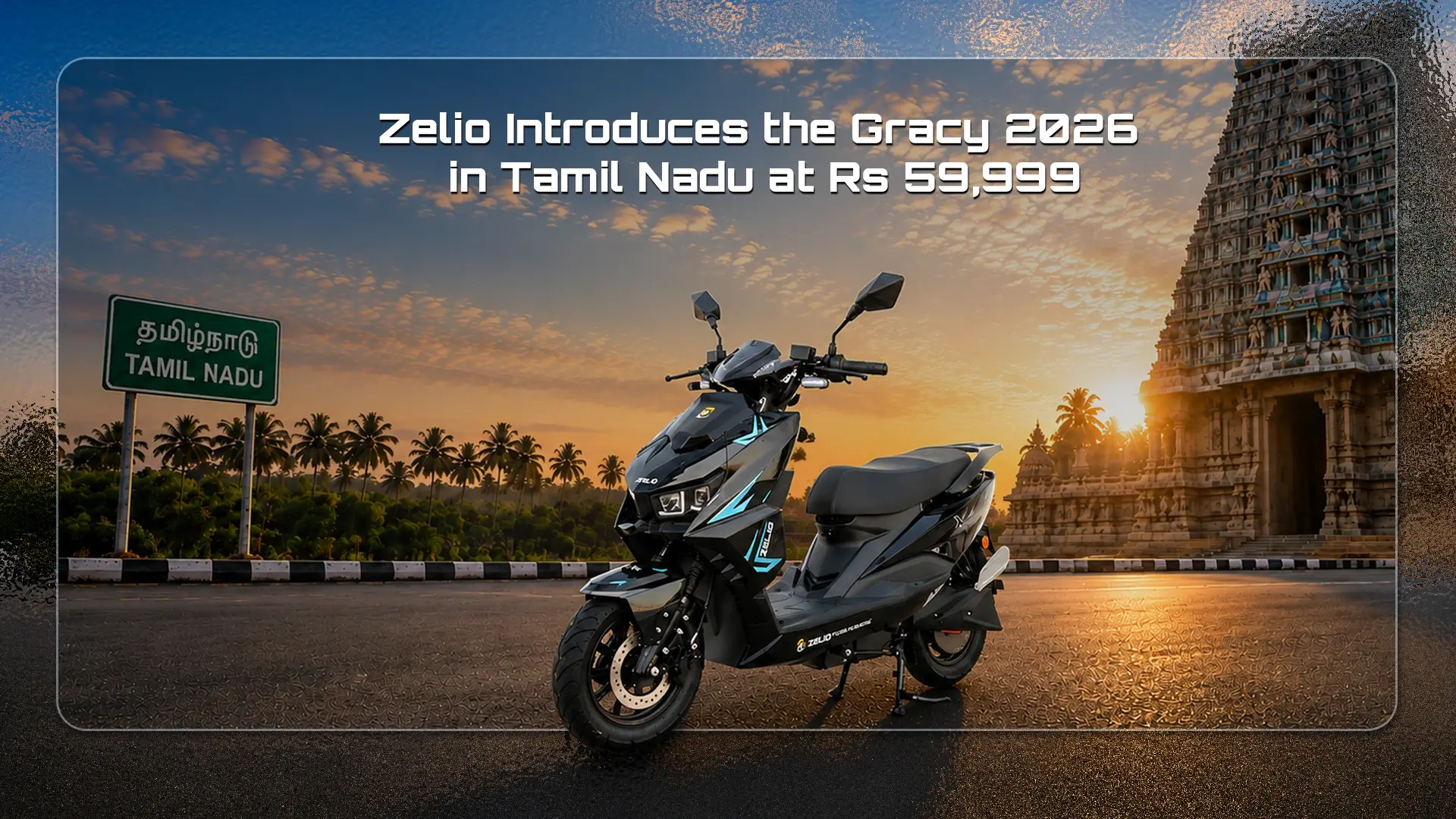
Zelio Introduces the Gracy 2026 in Tamil Nadu at Rs 59,999

Zelio Introduces the Gracy 2026 in Tamil Nadu at Rs 59,999

Zelio E-Mobility has brought the Gracy 2026 to Tamil Nadu, giving the state a fresh entry point into its low-speed electric scooter lineup. Starting at Rs 59,999, the scooter is aimed squarely at college students and young women riders who want a practical daily scooter without touching a driving licence or an RTO office. What the Gracy 2026 Actually Brings to the Table Zelio built the Gracy 2026 around a lightweight body, a refreshed design and the kind of everyday durability a scooter needs to survive years of city riding. Riders get seven colour options to choose from, Snow Pearl White, Bright Black, Asian Black, Yellow, Noble Metal Gray, Fluorescent Green and Hibiscus Purple, which is a wider palette than most scooters offer in this price bracket. The scooter tops out at 25 kmph and delivers a range of 60 to 120 kilometres per charge depending on the battery variant, with 50 litres of boot space built in for daily bags, groceries or college essentials. Price and Battery Options Zelio offers the Gracy 2026 across four battery configurations, giving buyers a genuine choice between upfront cost and range. The 60V/32AH lead acid variant starts things off at Rs 59,999, while the 72V/32AH lead acid version comes in at Rs 62,499. For riders who want lithium, the 60V/32AH lithium-ion variant is priced at Rs 72,999 and the 72V/32AH lithium-ion tops the range at Rs 76,999. Charging times reflect that same split. Lead acid variants take 8 to 10 hours to charge fully, while the lithium-ion models cut that down significantly to 4 to 5 hours, a real advantage for anyone who cannot always charge overnight. Inside the Gracy 2026 A 60/72V BLDC motor powers the Gracy 2026, paired with front disc brakes and rear drum brakes for stopping power. The scooter runs on 90/90-12 tyres and uses front telescopic hydraulic suspension along with rear spring-loaded suspension, a combination built to handle the kind of uneven city roads and speed breakers riders deal with daily. On the feature side, Zelio has fitted the Gracy 2026 with central locking, an anti-theft alarm, a USB charging port, keyless drive, LED headlamps and a digital meter. Every one of these features is backed by a two-year warranty covering the motor, controller and frame. Why Tamil Nadu Right Now Kunal Arya, Managing Director of Zelio E-Mobility, explained the thinking behind the scooter's design when it was first unveiled: "The Gracy 2026 has been designed to reflect the aspirations of India's youth by combining lightweight construction, stylish design, and dependable performance. That focus on younger riders lines up closely with what Zelio has been building toward in South India more broadly. The company recently commissioned a new manufacturing facility in Coimbatore, expanding its total production capacity to 2.4 lakh units a year and putting local assembly, storage and logistics support much closer to Tamil Nadu, Karnataka, Kerala, Telangana, Andhra Pradesh and South Maharashtra. Introducing the Gracy 2026 in Tamil Nadu right as that facility ramps up is not a coincidence. It reflects a company putting manufacturing muscle behind a state it is actively investing in. What This Means for Riders in Tamil Nadu For a college student or a young professional in Tamil Nadu, the Gracy 2026 solves two problems at once. It skips the licence and RTO process entirely, since it falls under the non RTO scooter category , and runs at a fraction of what a petrol scooter costs to fuel every month. Zelio backs this launch with a genuinely large support network too. The company now counts more than 2 lakh riders across its lineup and operates through over 500 dealerships spread across 20 states and union territories, so buyers in Tamil Nadu are not stepping into an unfamiliar or thin service network. If the Gracy 2026 fits your daily 15 to 35 kilometre commute , it sits comfortably alongside the rest of Zelio's Gracy family, and the battery scooty price list is worth checking if you want to compare it against other models before deciding which variant makes the most sense for your budget.

Read More
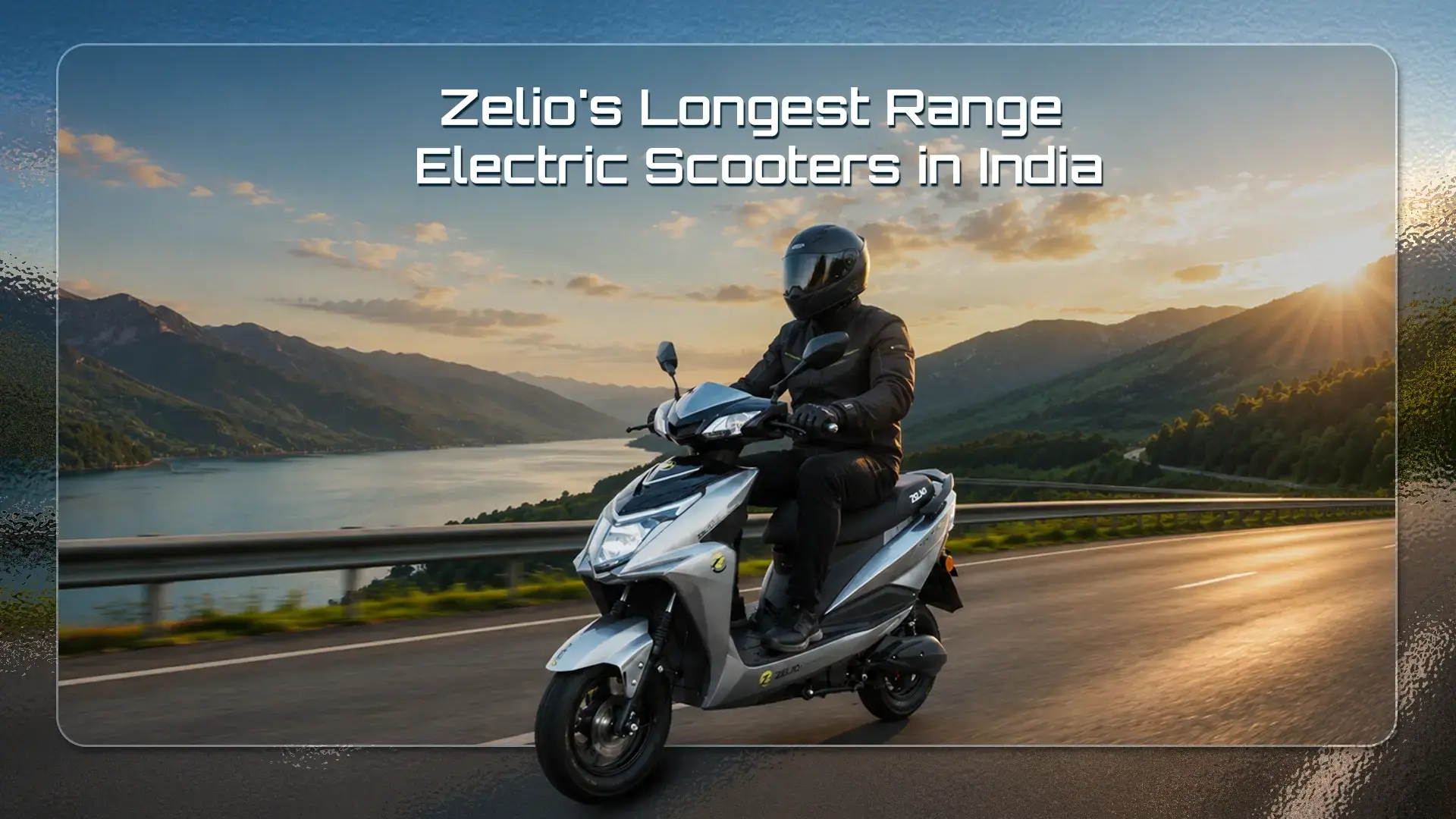
Zelio's Longest Range Electric Scooters in India

Zelio's Longest Range Electric Scooters in India

Range anxiety is the single biggest reason people hesitate before buying an electric scooter. So if you are shopping specifically for distance, here is where Zelio's own lineup actually stands, based on official specifications for each model. The Longest Range Models in Zelio's Lineup Zelio Gracy i , up to 130 km on lead acid, 90 to 100 km on lithium The Gracy i tops Zelio's own range chart. On its lead acid variant it is rated up to 130 kilometres on a full charge and the lithium version delivers 90 to 100 kilometres with the added benefit of a shorter charging time. It is also Zelio's most reviewed and best selling model, which means this range figure has been tested by a genuinely large number of daily riders rather than a handful of lab conditions. Zelio Legender , up to 120 km on lead acid, 90 km on lithium Close behind is the Legender, rated up to 120 kilometres on lead acid and 90 kilometres on lithium. For a rider who wants strong range without stepping into Zelio's premium tier, this is the model that delivers the most distance per rupee spent. Zelio Eeva , up to 100 km on lead acid, 90 to 100 km on lithium The Eeva rounds out the top three, with a lead acid range of up to 100 kilometres and a lithium range that matches or exceeds it at 90 to 100 kilometres. It is worth noting the lithium variant here narrows the usual gap between battery types, making it a strong pick if fast charging matters as much as raw distance to you. The Rest of the Long Range Pack A cluster of models sit right behind the top three, each rated up to 100 kilometres on lead acid and 80 to 85 kilometres on lithium. This group includes the X Men 2.0, X Men Plus, Legender Plus, Legender Plus Premium, Gracy+, Eeva ZX+ and Logix. None of these are the outright range leader, but every one of them comfortably covers a 40 to 50 kilometre daily commute with room to spare, which is more distance than most riders in Indian cities actually need in a single day. The Gracy Pro sits a step behind at up to 60 kilometres on lead acid and 85 kilometres on lithium. Zelio's high speed Mystery is rated at 85 kilometres on its lithium pack, reflecting the trade off that comes with higher top speed. Why Range Numbers Vary This Much Across One Brand The gap between a scooter's lead acid figure and its lithium figure is not inconsistency, it comes down to how each battery chemistry behaves. Lead acid packs are heavier and store energy differently, which on some models pushes the claimed range higher on paper, while lithium packs trade a bit of that peak number for faster charging and a longer working life overall. If you are deciding between the two for any model on this list, the lithium versus lead acid battery guide breaks down exactly what that trade off means day to day. It is also worth remembering that a claimed range figure and a real world range figure are rarely identical. Rider weight, traffic, terrain and riding style all pull that number down somewhat, which the claimed range versus actual range guide covers in more detail if you want the honest version before you buy. Who Actually Needs This Much Range Most daily commutes in India fall well under 50 kilometres, so a long range scooter is less about the extreme end of what is possible and more about charging less often. A rider covering 30 to 40 kilometres a day on a scooter rated for 90 to 100 kilometres is realistically charging every second or third day instead of every single night, which matters if home charging is not always convenient or if you simply want fewer things to think about during the week. For anyone commuting 15 to 35 kilometres daily , even Zelio's mid range models comfortably outlast a typical week's riding on a single charge, so the top three models on this list are best suited to longer commutes, weekend trips, or riders who simply want the largest possible buffer.

Read More