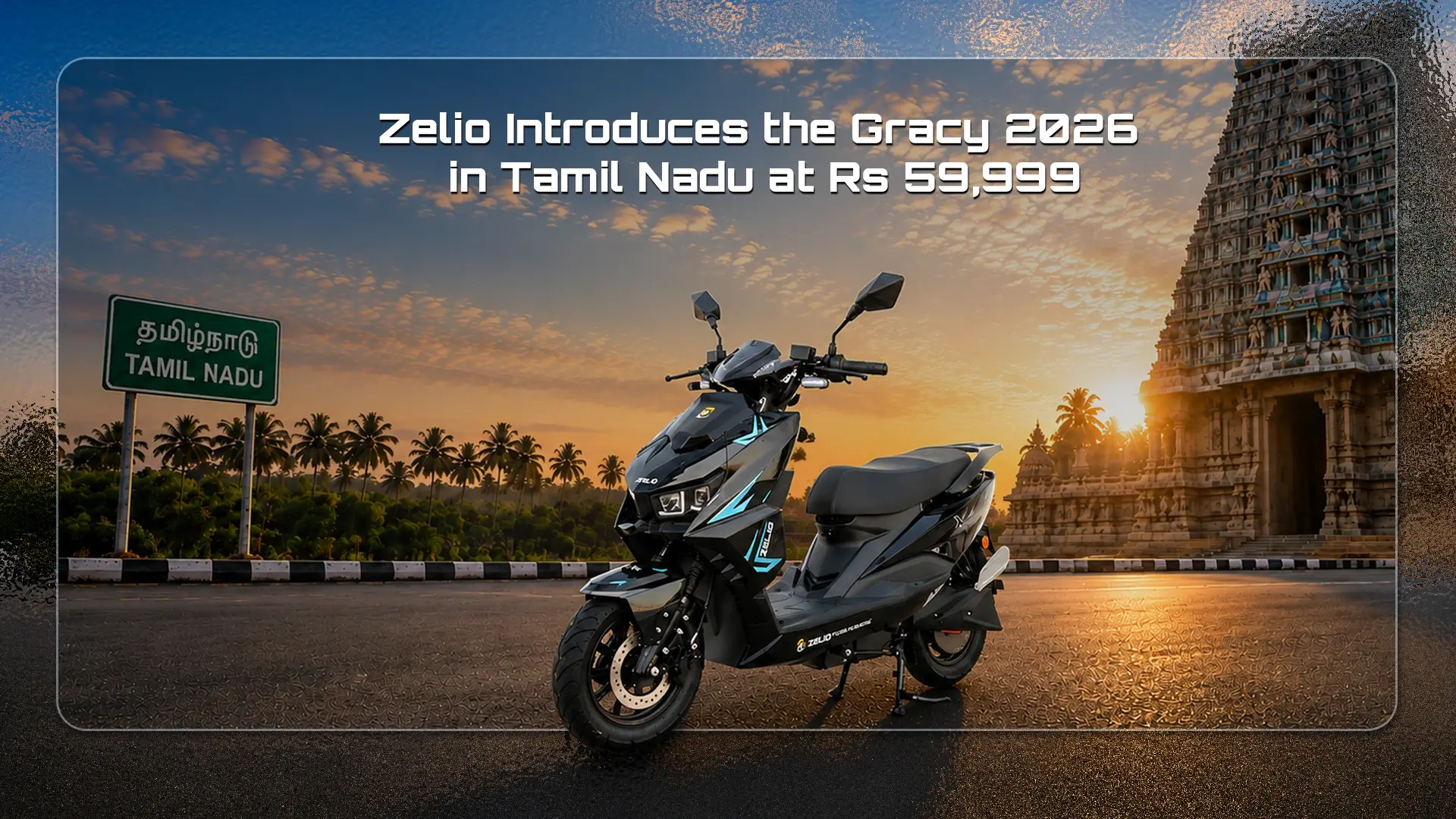
Most people never read the rules that decide whether their electric scooter needs a licence. They just find out at the RTO, or worse, at a traffic stop. These rules are called the Central Motor Vehicle Rules and once you know how they treat electric two wheelers, buying one gets a lot less confusing.
Where These Rules Actually Come From
The Central Motor Vehicles Rules were first notified back in 1989, under the Ministry of Road Transport and Highways. They work alongside the Motor Vehicles Act of 1988, amended in 2019, together deciding how every vehicle on Indian roads gets classified. Electric two wheelers, though, get their own separate treatment, one that petrol scooters and bikes simply do not have.
That treatment comes from a specific clause, Rule 2(u), which covers what the law calls a Battery Operated Vehicle. It exists purely for electric vehicles. It is also the reason some electric scooters need zero paperwork while others go through the same registration process as any petrol two wheeler.
Two Numbers Decide Everything
An electric two wheeler counts as a non motorised vehicle only if it meets two conditions at the same time.
The motor's rated continuous power, measured over thirty minutes, has to stay under 250 watts. The scooter's top speed has to stay under 25 kilometres an hour. Both have to be true together, not one or the other. A scooter with a 1,000 watt motor that has been software limited to 25 km/h still counts as a motor vehicle in the eyes of the law, because the motor itself crosses the limit even though the speed does not. This is where a lot of buyers get caught out, assuming speed alone decides the category.
If a scooter genuinely stays under both limits by design, not by a software cap, it is legally treated the same way a bicycle is. Nothing else in Indian vehicle law works quite like this, which is also why a scooter capped at 25 km/h feels so different to ride than one built for 40 or 60 km/h, even though both are called scooters. A petrol scooter has no version of this exemption, no matter how small its engine is.
What You Skip If Your Scooter Qualifies
A scooter that qualifies as non motorised does not need RTO registration, does not need a driving licence, does not carry a number plate and does not attract road tax. Insurance is not mandatory either, though a basic policy is still worth having.
This is the category that has let low speed electric scooters reach people who could not ride any two wheeler before, students under 18 included, along with anyone who just wants to skip the RTO entirely. It has also become the natural pick for people commuting 15 to 35 kilometres a day, where skipping registration and insurance adds to the running cost savings they were already getting every month.
What Changes Once a Scooter Crosses the Limit
The moment a scooter's motor power or top speed goes past either number, it stops being treated like a bicycle and becomes a motor vehicle instead, landing in the same category a petrol scooter already sits in. RTO registration becomes mandatory, along with a proper number plate. A driving licence is required and since permanent licences only come from age 18, that becomes the real minimum age for these scooters. A high speed electric scooter falls squarely into this bracket, where third party insurance stops being optional. Road tax applies too, though several states offer partial or full exemptions on electric vehicles and the exact benefit depends on where you register.
None of this makes a high speed scooter the wrong choice. It just means the ownership experience looks closer to a petrol scooter, paperwork included, minus what you would have spent on fuel.
Some Rules Apply No Matter What You Ride
A couple of things stay the same regardless of which category your scooter falls into. Wearing a helmet is expected of every rider, low speed or high speed, because that comes from general road safety rules, not vehicle classification. Basic traffic rules apply the same way too, signals, lane discipline, general road sense, none of it depends on whether your scooter has a number plate.
Why the Rule Exists in the First Place
The two tier system was meant to keep electric mobility affordable at the entry level while still holding faster electric scooters to the same safety bar as any petrol vehicle. A scooter that cannot physically go past a bicycle like speed carries a different kind of risk than one that can hit 40 or 60 km/h and the rule simply reflects that instead of treating every electric two wheeler as identical.
A Few Zelio Electric Scooters and Where They Sit Under These Rules
Most of Zelio's electric two wheeler lineup is built to stay within the non motorised limits. Here is where a few of the more popular models actually fall.
Zelio Gracy i
The Gracy i stays comfortably under both the 250 watt motor limit and the 25 km/h speed cap, so it needs no licence and no RTO registration to ride. It remains one of the most picked daily commuters in Zelio's range for exactly this reason, since skipping the paperwork removes a real barrier for first time buyers.
Zelio Little Gracy
Built to the same non motorised specifications, the Little Gracy is a lighter, more compact option for riders who want something easy to manage in city traffic. Like the Gracy i, it falls entirely outside the registration and licensing requirement.
Zelio Legender+ Premium
This one also sits within the non motorised category while carrying a larger battery built for longer daily distances. It proves staying under the exemption limits does not mean settling for a smaller battery or a shorter range.
Zelio Mystery
The Mystery is the one model in Zelio's range built for higher speeds, which puts it under the registered motor vehicle category instead. It needs a valid driving licence and full RTO registration, the same process a petrol scooter goes through.
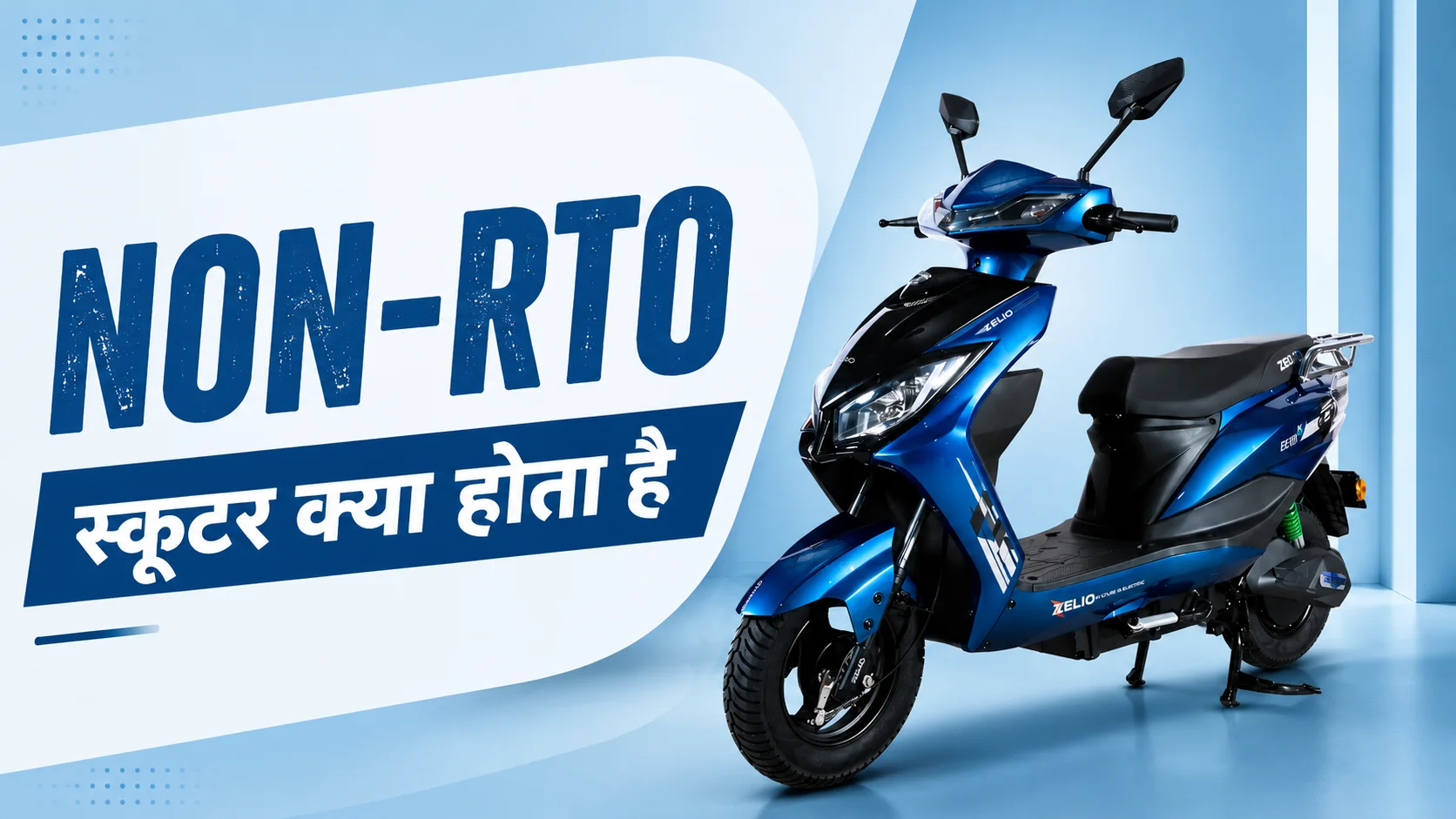
Prices and specifications for every model across the range sit in the battery scooty price list, worth checking alongside this if you are weighing budget against what needs no paperwork. A wider look at how these models stack up nationally is in the top 10 electric scooters in India roundup. For the full picture on what a non RTO electric scooter actually means day to day, the non RTO scooter guide covers it in more detail. The RTO fees and charges breakdown for electric two wheelers is worth a look if you are weighing the cost difference between the two categories.
Sources
-
Ministry of Road Transport and Highways, Government of India, Official Notifications
-
Low-speed EV two-wheelers rule being violated, says MoRTH - Autocar India
-
Power and weight limits for low-speed electric two-wheelers under scrutiny - Autocar India
.webp)